
No products in the cart.

History of Brazilian Ju-Jitsu (BJJ)
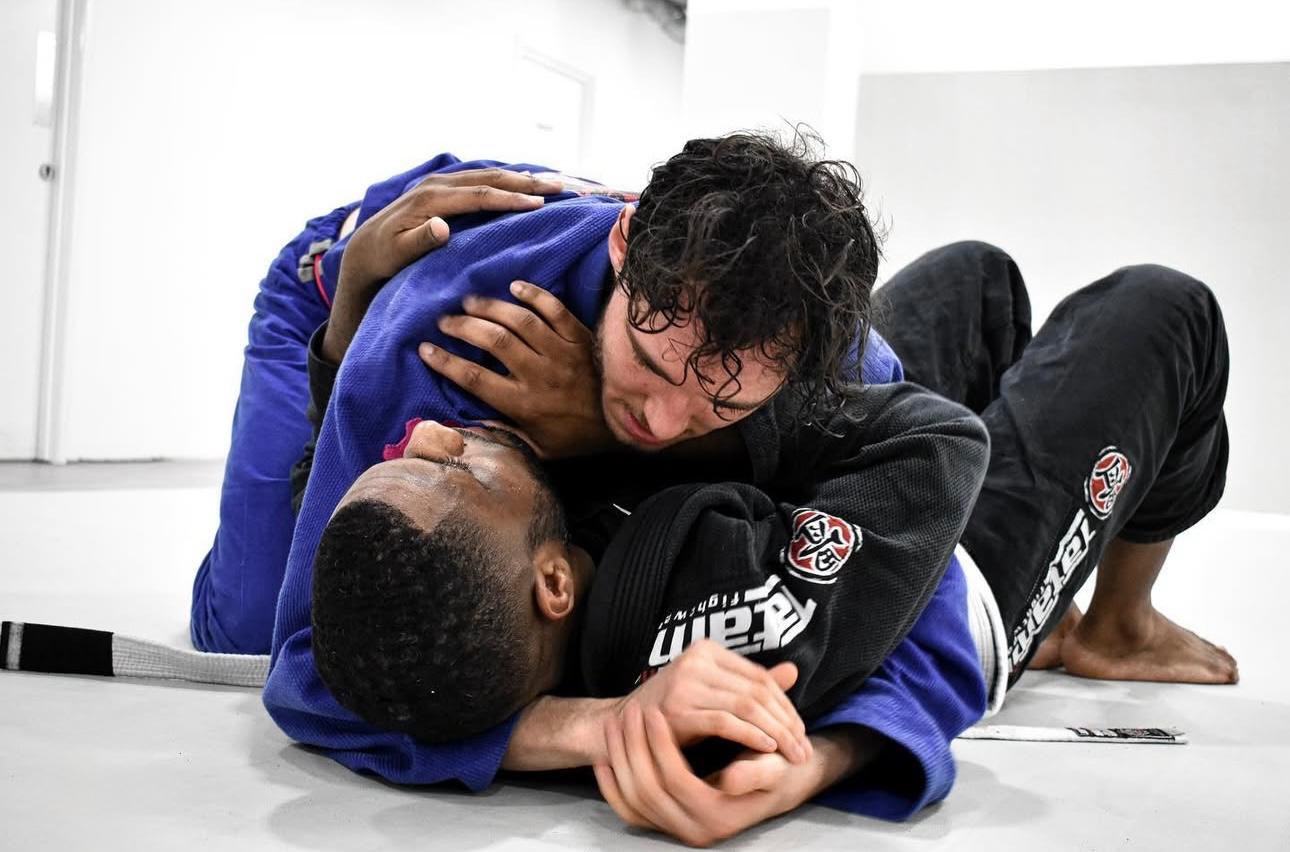
Brazilian Jiu-Jitsu (BJJ) has a rich and fascinating history that blends elements of traditional Japanese martial arts with innovations that were pioneered in Brazil. Here’s an overview of its history
Origins in Japan: Jujutsu and Judo
BJJ traces its roots to Japanese Jujutsu, a martial art that was developed by the samurai as a method of unarmed combat against armored opponents. However, the modern history of BJJ begins in the early 20th century, largely due to the influence of Judo, which was developed by Jigoro Kano in the late 1800s.
Judo: Judo, which focuses on throws, grappling, and submissions, evolved from traditional Japanese Jujutsu. It was created by Kano as a more sport-oriented system, with an emphasis on balance, leverage, and technique over brute strength.
The Gracie Family
In the early 1900s, a pivotal moment for BJJ occurred when Mitsuyo Maeda, a Japanese Judo master, traveled to Brazil. Maeda was a skilled fighter and had traveled the world demonstrating Judo’s effectiveness.
Maeda in Brazil: In 1914, Maeda arrived in Brazil, where he met Carlos Gracie, a member of the prominent Gracie family. Carlos, intrigued by Judo, began training with Maeda and quickly realized the potential of Judo’s techniques, especially those that were grappling-focused.
Carlos Gracie: Carlos Gracie, with his brothers (most notably Helio Gracie), adapted and refined the techniques of Judo, developing a new system that emphasized ground fighting and submissions. They focused on leverage and technique over strength, which made it effective for smaller practitioners against larger opponents. The Gracies also made changes to the rules of Judo to emphasize the ground game more, which became a defining feature of Brazilian Jiu-Jitsu.
Helio Gracie and the Development of BJJ
Helio Gracie: Helio Gracie, the younger brother of Carlos, is often credited as the key figure in the development of BJJ. Helio was smaller and physically weaker than his brothers, which led him to focus on techniques that relied on leverage and position rather than strength or size. Helio’s innovations helped to form the foundation of modern Brazilian Jiu-Jitsu, particularly the guard position, and submissions like the triangle choke and armbar.
Gracie Challenge: To prove the effectiveness of their new system, the Gracie family issued open challenges to fighters from other martial arts. These challenges were important in establishing Brazilian Jiu-Jitsu’s reputation. The most famous of these challenges was when Rickson Gracie (Helio’s son) fought and defeated multiple opponents in the 1980s and 1990s, helping cement BJJ as a dominant martial art.
BJJ’s Rise in Popularity
The 1990s marked a major turning point for BJJ’s global spread and popularity:
UFC (Ultimate Fighting Championship): The 1993 UFC event is often considered a breakthrough moment for BJJ. Royce Gracie, a member of the Gracie family, competed in the first UFC tournaments and won multiple times, often defeating opponents much larger than him using BJJ techniques. This demonstrated the effectiveness of Brazilian Jiu-Jitsu in a real fight, and the UFC’s success helped catapult BJJ into the spotlight.
BJJ as a Sport: In addition to its effectiveness in self-defense and MMA, Brazilian Jiu-Jitsu began to evolve into a sport with its own set of rules and competitions. The first official BJJ competitions were held in Brazil in the early 1960s, but they gained significant global attention in the 1990s and 2000s. The World Jiu-Jitsu Championship (commonly called the Worlds) and the Pan American Jiu-Jitsu Championship became the sport’s premier events.
Modern BJJ and Global Influence
Worldwide Growth: Since the 1990s, BJJ has exploded in popularity worldwide, with schools opening up all over the globe. Brazilian Jiu-Jitsu is now practiced by people of all ages and skill levels, from beginners to elite athletes. It has influenced not just mixed martial arts (MMA), but also self-defense systems, law enforcement training, and even military units.
Gracie Family and Legacy: The Gracie family remains central to the history and growth of Brazilian Jiu-Jitsu. Many of the family’s members are prominent instructors, competitors, and ambassadors for the sport. The Gracie Barra school, founded by Carlos Gracie Jr., is one of the most well-known BJJ organizations worldwide. Other prominent figures in the development of BJJ include Rickson Gracie, Royler Gracie, and Marcus “Buchecha” Almeida (one of the most successful BJJ athletes of all time).
BJJ in MMA: In the world of mixed martial arts, Brazilian Jiu-Jitsu is considered one of the foundational disciplines, alongside wrestling and striking arts like boxing and Muay Thai. Fighters like Demian Maia, Fabricio Werdum, and Khabib Nurmagomedov are examples of athletes who have incorporated high-level BJJ into their MMA success.
Key Contributions to Modern Combat Sports
Focus on Grappling: BJJ’s emphasis on submissions, positional control, and leverage techniques transformed combat sports, particularly in MMA, where fighters now focus heavily on ground game and submissions as part of their training.
Gi vs. No-Gi: Brazilian Jiu-Jitsu can be practiced in two main forms:
Gi BJJ: Involves the traditional kimono, where practitioners can grip the opponent’s clothing to execute techniques.
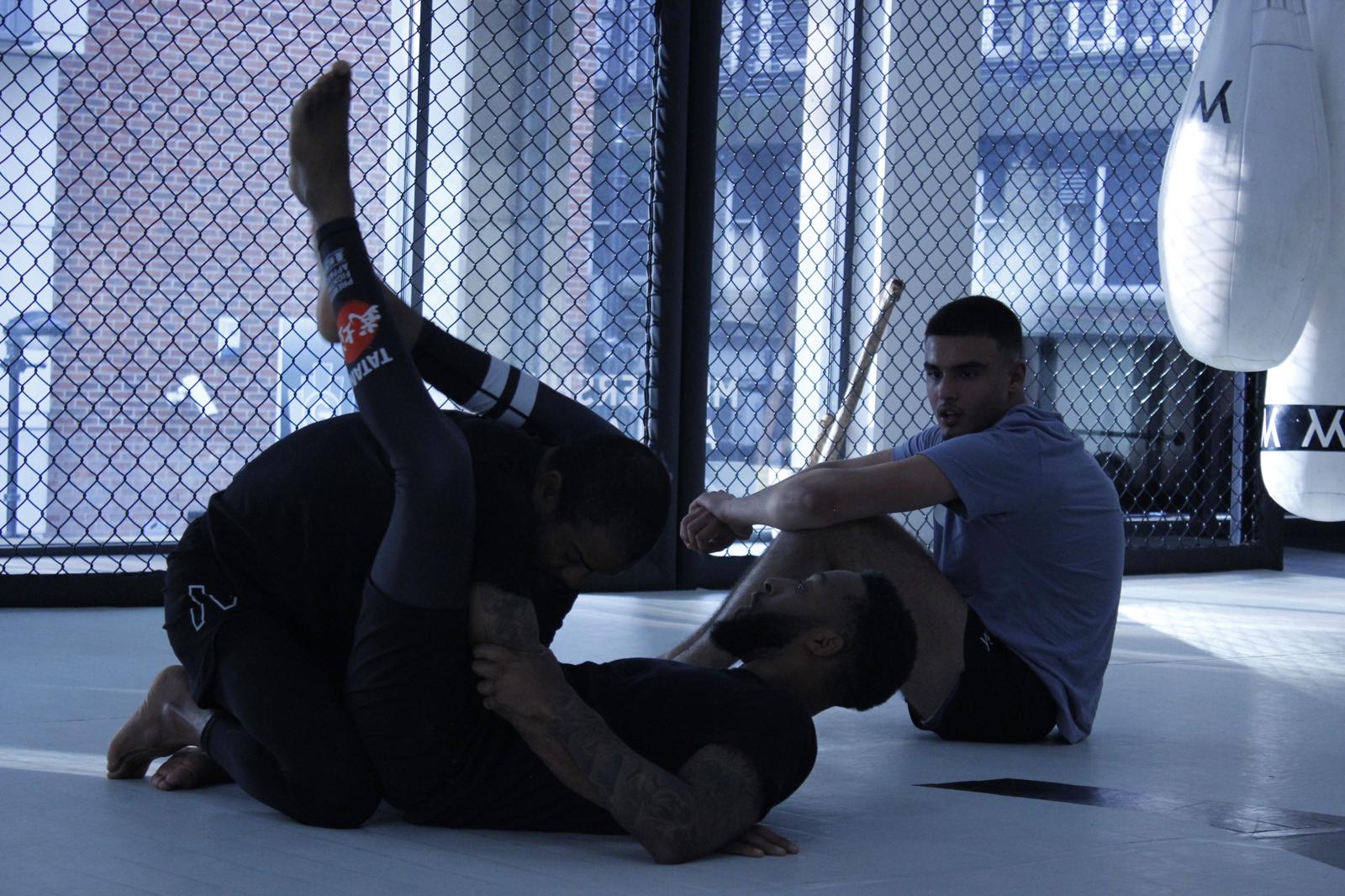
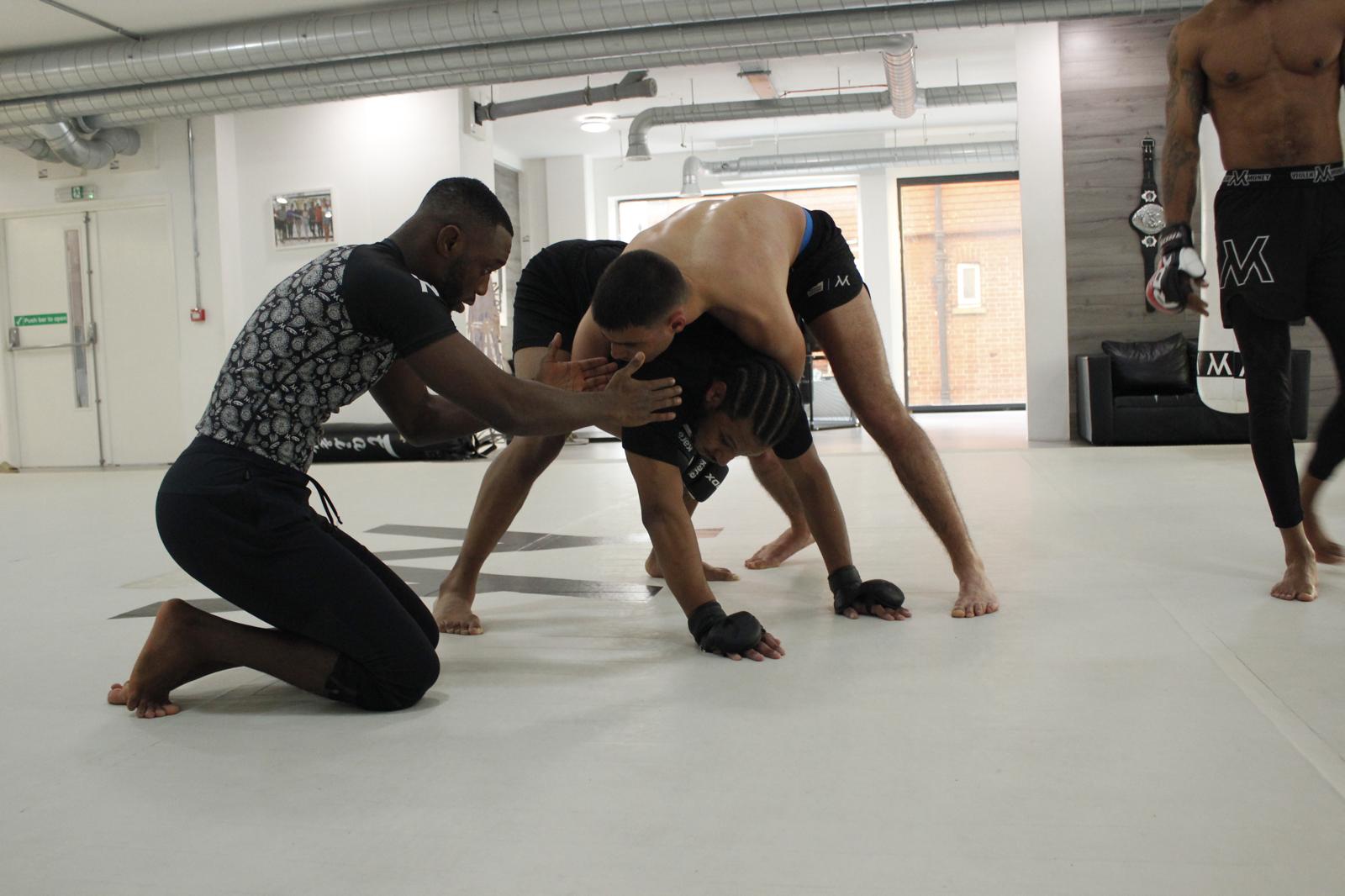
No-Gi BJJ: Involves grappling without the gi, typically wearing rash guards and shorts. No-Gi BJJ emphasizes faster movements and submissions, and is often seen in MMA training.
BJJ in Self-Defence: Brazilian Jiu-Jitsu has become a popular self-defence system, particularly for women and those looking to defend themselves in real-life situations. The focus on leverage and control makes it accessible for people of all sizes and physical abilities.
in summary
Brazilian Jiu-Jitsu has evolved from its Japanese roots to become a powerful martial art with global recognition, thanks to the innovations of the Gracie family and its application in both sport and self-defence. Today, BJJ is practiced by millions of people worldwide, from competitive athletes to casual practitioners, and it continues to evolve both in terms of technique and its application in mixed martial arts.


Leave a Reply