
No products in the cart.

History of Boxing
Boxing is one of the world’s oldest combat sports, with a history stretching back thousands of years. Its evolution reflects changes in society, culture, and athletic competition.
Ancient Origins (3000–500 BCE)
Ancient Mesopotamia & Egypt – The earliest depictions of boxing date to around 3000 BCE, shown in Sumerian and Egyptian carvings.
Fighters are shown bare-knuckled, sometimes surrounded by spectators.
Ancient Greece – Boxing became a formalized sport in ancient Greece around 700 BCE. It was included in the Olympic Games in 688 BCE.
Fought without rounds, weight classes, or gloves—matches continued until one fighter could no longer continue.
Ancient Rome – Romans adopted Greek boxing but made it more brutal.
Fighters used caestus, leather wraps sometimes embedded with metal.
Many matches were held in arenas and often resulted in severe injury or death. Post-Ancient Decline and Re-Emergence (500–1600 CE)
After the fall of Rome, organized boxing largely disappeared from Europe. It survived mostly as:
Bare-knuckle fist fighting in various cultures.
Informal contests related to self-defence or disputes.
Birth of Modern Boxing (1600s–1800s)
England: The birthplace of modern boxing
Boxing resurfaced as a popular sport in 17th-century England. Bare-knuckle boxing era (1700s–early 1800s). Known as “prizefighting.” Fighters competed without gloves and with minimal rules. Matches could last hours and were often chaotic.
Jack Broughton’s Rules (1743)
Jack Broughton, considered the “Father of Boxing,” introduced the first ruleset:
No hitting a downed opponent.
Use of “mufflers” (early gloves) for training.
30-second rule for a fallen fighter.
These rules began shaping boxing into a safer sport.
The Queensberry Revolution (1867)
The Marquess of Queensberry Rules standardized modern boxing:
Mandatory gloves
Three-minute rounds
Ten-second knockout count
Weight classes
This transformed boxing from bare-knuckle brawling into a regulated sport emphasizing technique.
Early 20th Century: Boxing Goes Global
Professional Era & Famous Champions
Iconic fighters helped spread boxing worldwide:
Jack Johnson: first African American heavyweight champion (1908).
Jack Dempsey: popularized the sport in the 1920s.
Joe Louis: symbol of American strength in the 1930s–40s.
Sugar Ray Robinson: often considered the greatest pound-for-pound boxer.
Olympic Boxing
Became officially part of the Olympic Games in 1904.
Late 20th Century: Modern Legends
Boxing boomed in popularity thanks to global broadcasting:
Heavyweight superstars
Muhammad Ali: transcended sports; known for his skill, charisma, and activism.
George Foreman
Joe Frazier
Mike Tyson
Evander Holyfield
Lennox Lewis
Lower weight classes also thrived
Roberto Durán
Sugar Ray Leonard
Thomas Hearns
Julio César Chávez
Manny Pacquiao
Floyd Mayweather Jr.
Promoters like Don King and later Bob Arum helped shape major events.
21st Century Boxing
Globalization & New Promotions
Boxing expanded across Europe, Latin America, Africa, and Asia.
Major modern promotions include:
Top Rank
Golden Boy
Matchroom Boxing
Premier Boxing Champions (PBC)
Technological changes
Pay-per-view events and streaming platforms (DAZN, ESPN+) transformed access.
Super fights generate massive revenues.
Crossover events
Boxing vs. MMA matches (e.g., McGregor vs. Mayweather)
YouTube/celebrity boxing (e.g., Jake Paul) brought new audiences.
Rules & Styles in Modern Boxing
Sport Characteristics
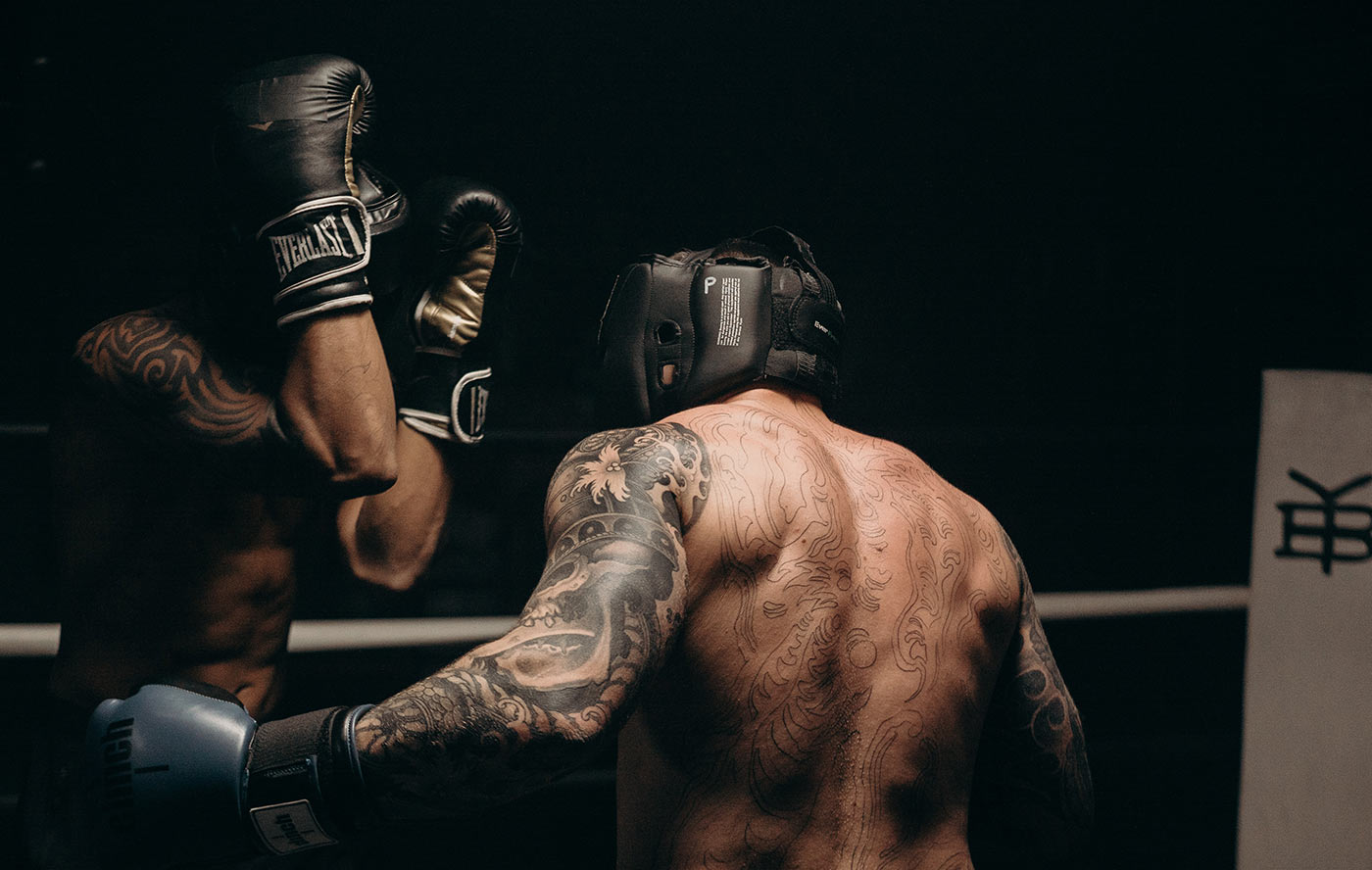
Two fighters in a ring using punches only.
Defense, footwork, and strategy are central.
Matches are judged by:
Effective striking
Ring generalship
Defense
Aggression
Types of Boxing
Professional boxing
Amateur (Olympic) boxing
White-collar boxing
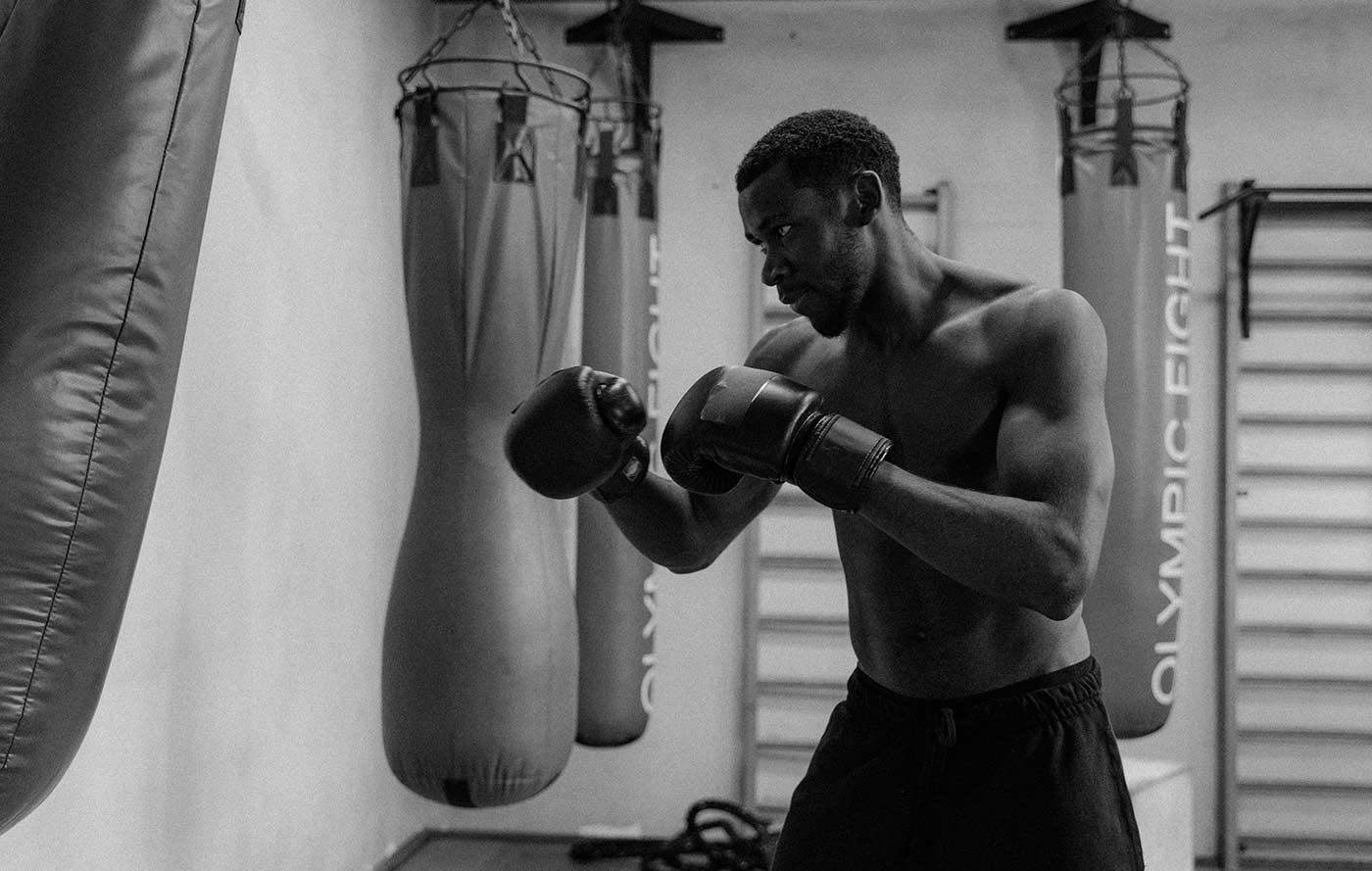
Fitness boxing/boxing training
Summary
Boxing has evolved from ancient bare-knuckle contests to a highly regulated international sport practiced worldwide. It has produced some of the most iconic athletes in history and continues to evolve through new media, global participation, and crossover combat sports.
time spent training, means less time
Magna aliqua. Ut enim ad minim veniam. Quis nostrud exercitation ullamco laboris nisi ut aliquip ex ea commodo consequat. Duis aute irure. olor in reprehenderit in voluptate velit esse cillum dolore eu fugiat nulla pariatur. Excepteur sint occaecat cupidatat non proident, sunt in culpa qui officia deserunt mollit anim id est laborumab illo inventore veritatis et quasi architecto beatae vitae dicta sunt explicabo. beatae vitae.
in summary
Boxing has evolved from ancient bare-knuckle contests to a highly regulated international sport practiced worldwide. It has produced some of the most iconic athletes in history and continues to evolve through new media, global participation, and crossover combat sports.

Leave a Reply